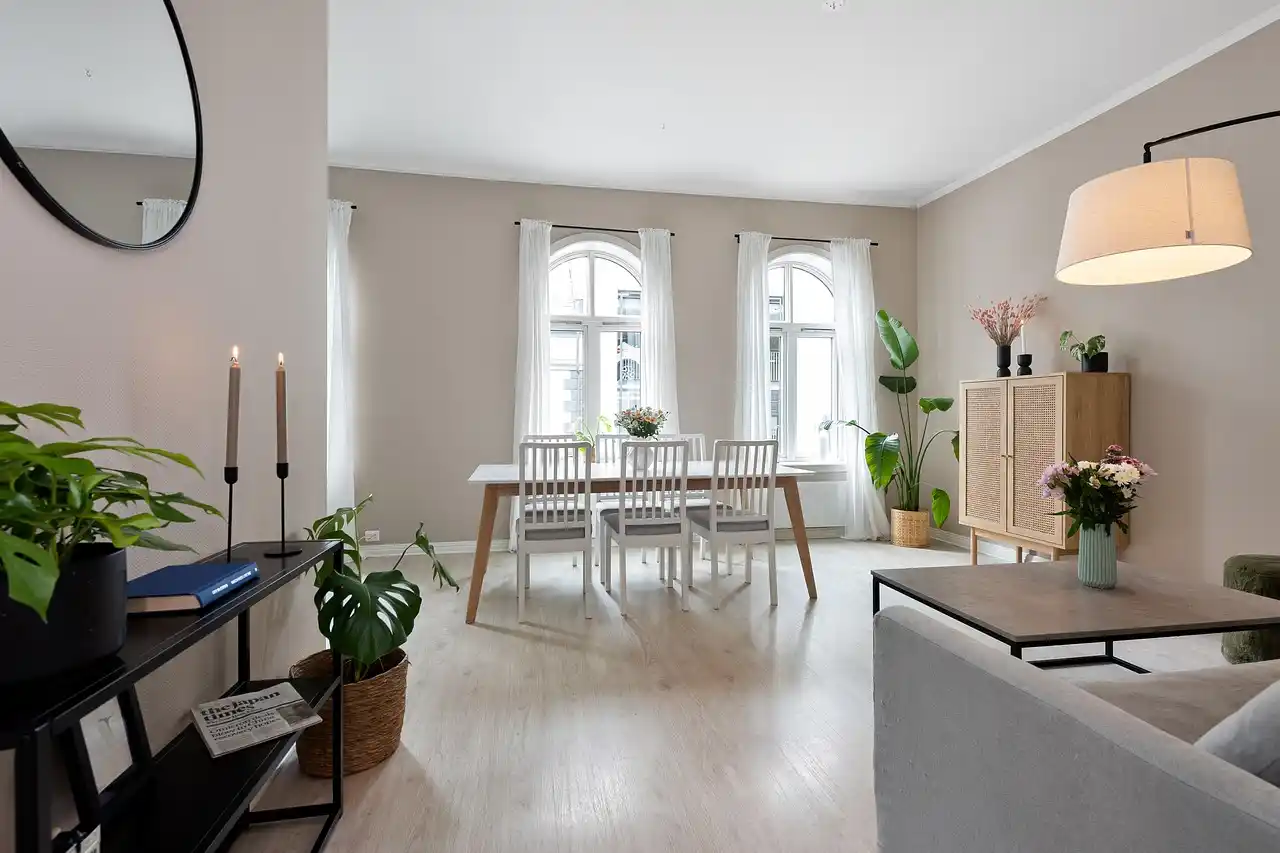
Introduction: Why Home Window Tint Matters
Home window tint is a practical upgrade for modern houses. A thin film applied to glass can dramatically reduce solar heat, glare, and UV exposure while preserving views. For homeowners, the right tint enhances comfort, protects furnishings from fading, and helps manage energy bills. This guide synthesizes expert insights from licensed installers, energy professionals, and safety standards to help you decide whether tinting is right for your windows.
What is home window tint?
Window tint is a laminated film that adheres to interior glass. Most modern films combine multiple layers to target heat, light, and UV rays. The glass remains functional, but its solar properties change: infrared rays are reflected or absorbed before entering the home, while visible light passes through, preserving your view.
Benefits of home window tint
The benefits fall into several categories: energy efficiency, interior protection, privacy, and safety. By reducing heat gain in sunny rooms, tint lowers cooling demand in summer and can moderate heat loss in winter when used with appropriate window types. UV blocking helps prevent fading of furniture, flooring, and artwork. Increased privacy without heavy blinds is another common reason homeowners tint their windows. Some films also improve safety by bonding glass fragments if broken. For best results, pair tint with energy-efficient windows and proper installation.
Types of window tint films
| Film Type | Heat Rejection | UV Blocking | Light Transmission | Pros | Cons |
|---|---|---|---|---|---|
| Dyed | Medium | High | High | Budget-friendly, reduces glare | Can fade or peel over time |
| Metalized | High | High | Medium | Excellent heat rejection, durable | Possible interference with signals |
| Ceramic | Very High | Very High | High | Clear view, non-conductive, long-lasting | Higher cost |
| Carbon | High | High | High | Non-reflective, good balance | Moderate cost |
| Hybrid | High | High | Medium | Balanced performance | Can be pricier |
Choosing the right tint for your home
To pick the right film, assess your home’s sun exposure, insulation, and privacy needs. South- and west-facing rooms often benefit most from higher heat rejection. Consider privacy requirements for street-facing windows and orientations at night. Local laws and HOA rules may set limits on darkness or reflectivity, so check before purchase. Value your interior protection and view: the best films balance visibility with energy savings. Always choose reputable brands and installers who offer warranties and after-installation support. If in doubt, start with a professional assessment that includes heat load calculations and a sample tint test on a small pane.
Installation options and cost considerations
Professional installation by licensed technicians ensures uniform adhesion, bubble-free application, and warranty coverage. DIY films exist for small windows, but large or multi-pane installations benefit from a pro. Costs vary by film type, tint percentage, and window size. On average, homeowners might spend from a few dollars per square foot for dyed films to over ten dollars for premium ceramic or carbon films, plus labor. Expect a typical project to take a few hours for a standard home, with full-house installs taking longer but offering greater energy returns. Look for warranties of 5–15 years and check for any glass breakage coverage or labor guarantees. Before signing, request a written estimate that includes material grade, number of films, and maintenance guidance.
Maintenance and care
Maintenance is straightforward. Clean tinted windows with a soft cloth and mild soap. Avoid ammonia-based cleaners, which can degrade the film over time, and never scrub aggressively. Routine inspection should check for edge peeling or bubbling, which often signals an installation issue or substrate problem. If you notice issues, contact the installer promptly to avoid warranty voids. With proper care, most modern films maintain their appearance and performance for many years, keeping your home cooler and more private without sacrificing daylight or views.
Conclusion
Conclusion, home window tint offers energy savings, UV protection, and improved comfort when chosen and installed by licensed professionals. Assess your climate and window orientation, review the film types in the table, and opt for a reputable brand with a solid warranty. With proper installation and care, you’ll enjoy lower cooling costs, less glare, and lasting interior protection.
%20201-4003-9991f1c4c750?q=80&w=2070&auto=format&fit=crop)