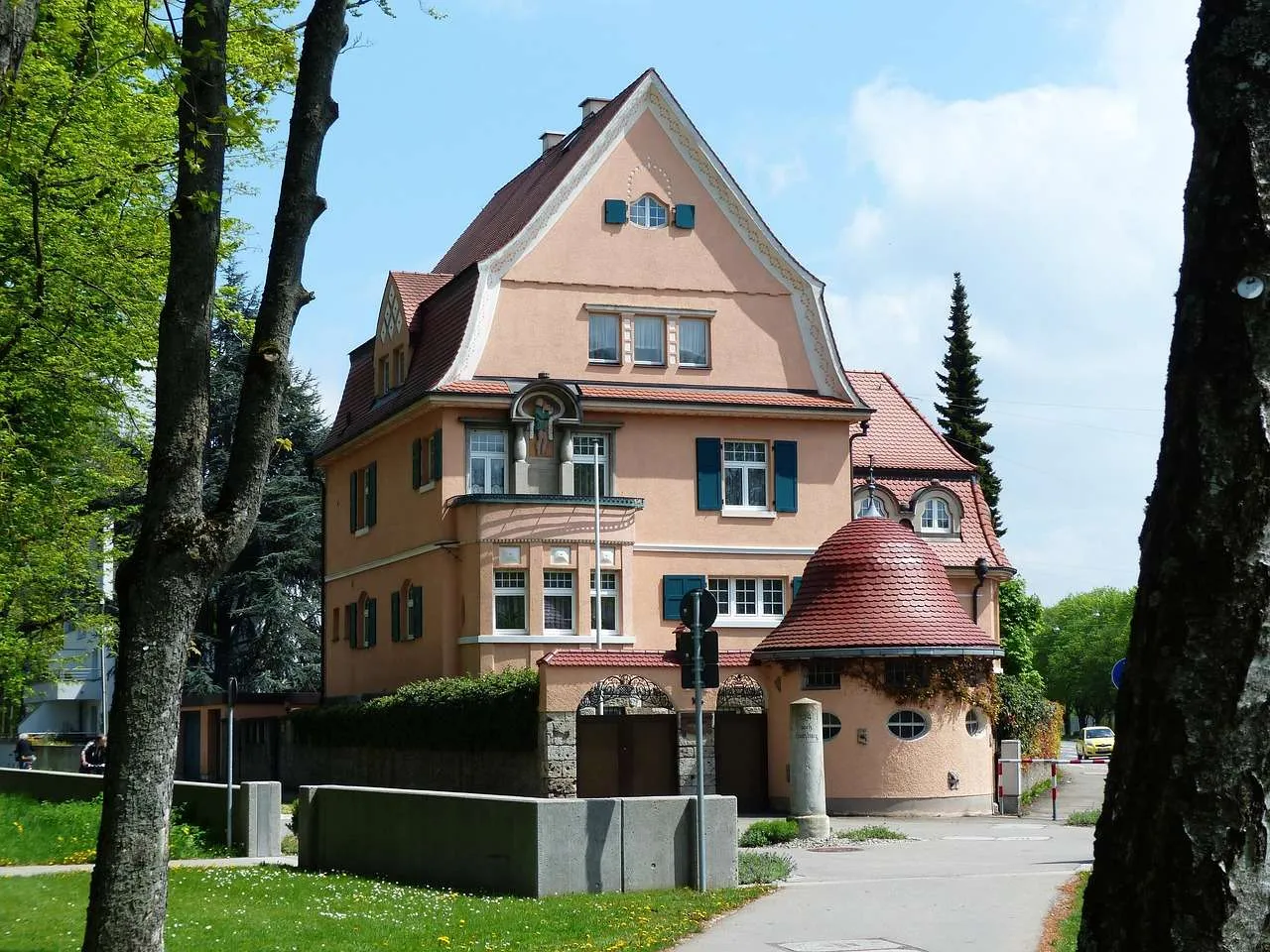
Understanding the repair of roofing
Repair of roofing is a common service that protects homes from water intrusion and structural damage. When addressed early, many issues can be fixed at a fraction of the cost of a full replacement. This guide explains how to identify problems, evaluate options, estimate costs, and hire a qualified contractor to ensure safe and long lasting results.
Signs that you may need repair of roofing
Common signs include leaks in living spaces, stained ceilings, missing or curling shingles, granules in gutters, and sagging or creaking sections. Severe weather and seasonal cycles can turn small issues into bigger ones quickly if ignored.
Common causes of roof damage
Weather extremes, wind damage, hail, fallen branches, improper installation, aging materials and poor attic ventilation can all lead to the need for repair of roofing.
When to repair versus when to replace
- Repair for localized damage such as a few missing shingles or a flashing leak
- Replace when damage is widespread, the roof is near the end of its life, or there is extensive water intrusion and structural concerns
DIY vs professional repair of roofing
Minor cosmetic fixes on low slope areas can be tackled by experienced DIYers with proper safety gear. However most repairs involve working at height, roof edge hazards and flashing work that requires training and proper tools. Hiring a licensed roofer with insurance protects you from liability and guarantees workmanship.
The repair process for roofing
A typical repair begins with a professional inspection to locate the source of the leak or damage. The contractor may remove damaged shingles or flashing, repair or replace flashing, reseal seams and replace shingles as needed. After the repair, a thorough inspection confirms the fix and prevents recurrence. For flat or low slope roofs drainage and ventilation are especially important to prevent future leaks.
Costs and warranties for roof repair
Costs vary by region, roof type and damage extent. A small leak patch may cost 150 to 500 dollars, while larger patches or flashing replacements can run 600 to 1200 dollars. More extensive repairs on aging roofs can approach the price of replacement in some cases. Warranties vary by contractor and material; always request a written warranty covering workmanship and materials.
Choosing a roofing contractor
To ensure high quality and EEAT signals look for a licensed contractor with general liability and workers compensation insurance, a solid local reputation and verifiable references. Request written estimates, a clear scope of work, a timeline and a detailed contract. Verify certifications from manufacturers and local building authorities, and check online reviews and local references.
Maintenance tips to extend roof life
Regularly clear debris from the roof and gutters, trim overhanging branches, ensure proper attic ventilation and inspect after major storms. Address sagging or cracked components promptly and schedule professional inspections at least once a year. A proactive approach reduces the frequency and cost of repairs and preserves the roof life.
| Option | When to Choose | Pros | Cons | Typical Cost |
|---|---|---|---|---|
| Repair | Localized damage and leaks | Low cost, quick fix | May recur | 150-1000 |
| Replace | Extensive damage or old age | Long term solution | Higher upfront cost | 5000-15000 |
| Maintenance | Preventive care | Prevents major failures | Ongoing cost | 200-800 annually |
Conclusion, Repair of roofing requires knowledge of materials and building science, along with a trusted contractor. By recognizing signs early, weighing repair against replacement, and choosing a licensed professional, homeowners can protect their investment and extend roof life while maintaining safety and quality.
%20201-4003-9991f1c4c750?q=80&w=2070&auto=format&fit=crop)