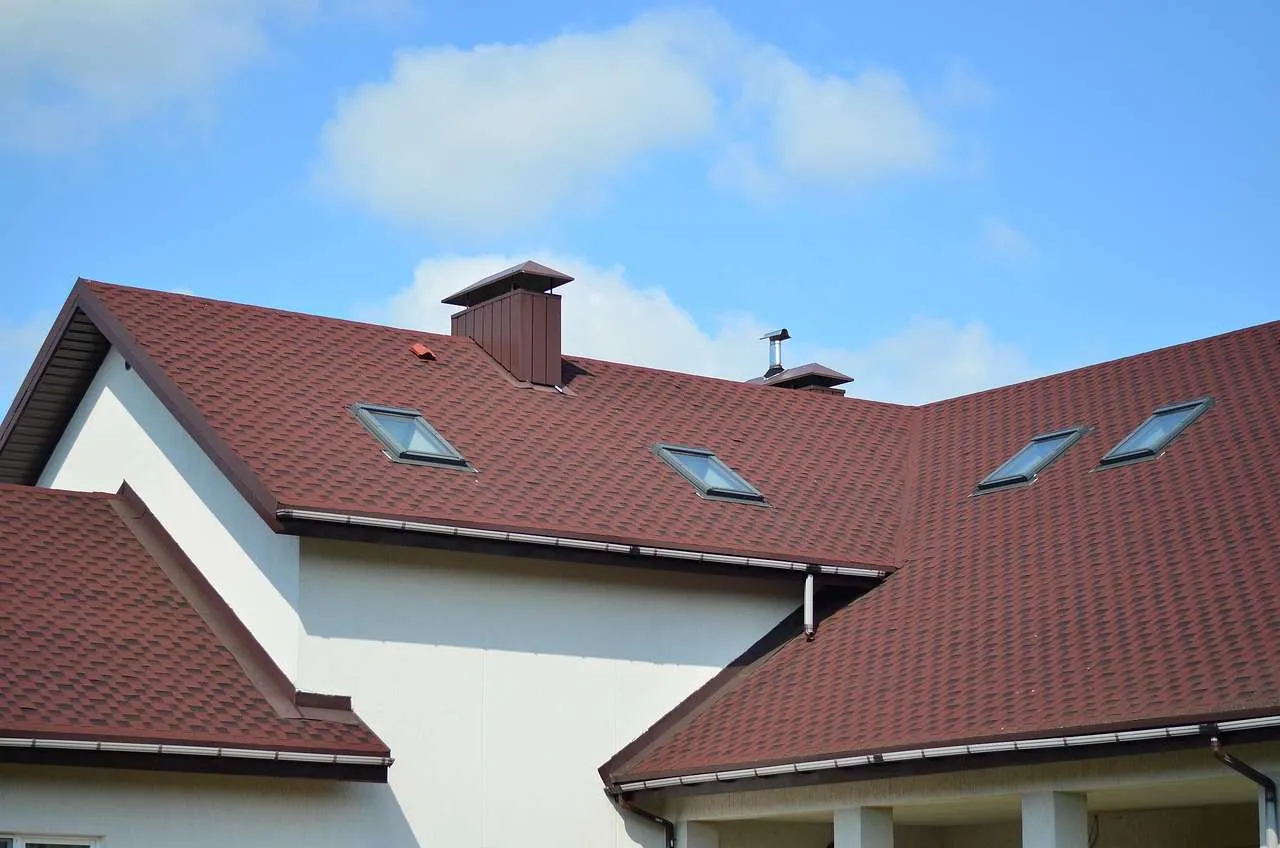
Corrugated metal roofing has surged in popularity among homeowners and builders seeking a durable, energy-efficient, and stylish roof system. Its timeless profile, strong performance, and cost advantages make it a compelling option for both new construction and retrofit projects. This guide explains what corrugated metal roofing is, how it is made, its benefits and drawbacks, installation considerations, and how to choose the right system for your climate and budget.
What is corrugated metal roofing?
Corrugated metal roofing consists of long metal panels that are formed with repeated ridges and valleys, or corrugations, to increase stiffness and shed water. The panels are typically made from galvanized steel, aluminum, or coated steel, and are available in a range of profiles and finishes. While the classic wavy corrugation remains popular, modern options include flatter or deeper rib profiles designed for specific wind, snow, or impact conditions.
Materials and profiles
Common materials include galvanized steel for affordability and ductility, aluminum for lighter weight and corrosion resistance, and zinc‑aluminum coated steel for enhanced longevity. Finishes range from basic polyester coatings to advanced fluoropolymer (PVDF) systems that resist chalking and color fading. Profiles vary by manufacturer but share the same core benefits: easier installation, strong weather resistance, and compatibility with overlying insulation and underlayment. Panel thickness is typically expressed in gauge or millimeters and influences durability and impact resistance.
Benefits of corrugated metal roofing
- Durability and long service life, often 40–70 years with proper coating and maintenance
- Lightweight construction with simple installation and strong wind resistance
- Excellent water runoff and low maintenance when properly installed
- Energy efficiency through reflective coatings that reduce cooling loads
- Versatile aesthetics compatible with modern and rustic designs
Drawbacks and considerations
- Noise potential in rain without adequate attic insulation or a weather‑tight underlayment
- Can dent from hail or heavy impact if not specified for impact resistance
- Initial cost higher than some traditional options, though lifecycle costs are competitive
- Exposed fasteners on many profiles require careful sealing and periodic inspection
Installation considerations
Proper installation begins with a suitable underlayment and correct fastener choice. Exposed fastener panels are common for corrugated styles, but hidden fastener orStanding Seam options exist for a cleaner look and potentially better water sealing. Roof slope, climate, and local codes influence fastener spacing, edge treatments, and sealing methods. A qualified contractor should verify panel alignment, flashing around hips and valleys, and proper venting and insulation to minimize thermal bridging and condensation.
Maintenance and lifespan
Maintenance is typically straightforward: inspect for loose or missing fasteners, check seals at seams and edges, and clear debris from eaves and gutters. Clean coatings as needed to prevent chalking and check for surface corrosion in exposed areas. The coating system largely determines lifespan; PVDF finishes typically offer superior color retention and weather resistance compared with basic polyester.
Cost and energy efficiency
Material costs for corrugated metal roofing vary by material, gauge, coating, and region, but overall it can be cost‑competitive with other durable roof systems over the lifetime of the building. Energy savings come from reflective coatings and higher solar reflectance, which can reduce cooling loads in hot climates. A longer service life and low maintenance can translate to favorable return on investment, especially on larger homes or commercial properties.
Environmental impact
Metal roofing is highly recyclable at the end of life, and many panels include recycled content. Choosing steel or aluminum with durable coatings helps minimize maintenance waste and energy use over the roof’s life. When solar readiness is part of the plan, metal roofs pair well with rooftop PV systems due to their strength and ease of mounting.
Choosing a contractor and warranty considerations
EEAT principles apply here: hire licensed, insured professionals with verifiable references and documented warranties. Ask about material warranties (coating warranty, panel integrity) and labor warranties, as well as whether the contractor uses a licensed installer for the specific panel system. Request a written project plan, site assessment, and a clear scope of work that includes flashing, underlayment, and panel alignment. Local experience with climate conditions such as snow loads, wind uplift, and hail guides the choice of profile and coating.
Comparison table: corrugated metal roofing vs other roof types
| Feature | Corrugated Metal Roofing | Asphalt Shingles | Tile | Standing Seam |
|---|---|---|---|---|
| Durability | Very high with proper coating | Moderate; susceptible to hail damage | High but brittle in freeze‑thaw cycles | Very high; sealed seams |
| Weight | Lightweight | Moderate to heavy | Heavy | Moderate to heavy |
| Cost (installed) | Moderate to high | Low to moderate | High | High |
| Maintenance | Low to moderate | Regular replacement needed | Low but brittle edges | Low with proper sealing |
| Energy efficiency | Good with reflective coatings | Variable | Variable | Excellent with integrated systems |
Key takeaways for homeowners
Corrugated metal roofing blends durability, longevity, and modern aesthetics with sensible installation and maintenance practices. When selecting a system, consider climate, roof slope, expected foot traffic, and how the coating will hold color in your environment. Partner with a vetted contractor who can guide you toward the right profile, thickness, and coating system that aligns with your budget and goals, ensuring long‑term performance and value.
Maintenance tips to maximize life
- Schedule annual inspections to tighten fasteners and inspect seals
- Keep gutters clear to prevent water pooling near panels
- Choose a reflective coating and consider attic insulation to reduce noise
- Address corrosion promptly in any exposed areas with manufacturer‑approved products
Conclusion, corrugated metal roofing offers a long‑lasting, cost‑effective solution when properly selected and installed. By evaluating materials, finishes, climate, and contractor expertise, homeowners can achieve a durable roof that protects the building and enhances curb appeal.
%20201-4003-9991f1c4c750?q=80&w=2070&auto=format&fit=crop)